Notes
Projects, applied research, and professional context are held at pria.ca
About the Practice
These notes are a practice of attention.They are written from ordinary moments - public spaces, shared systems, quiet encounters - where something becomes visible when time is allowed to slow. The aim is not explanation or instruction, but careful observation: noticing what is present before it is interpreted, resolved or used.This practice treats observation as a civic and spiritual discipline. By naming what is often overlooked, it makes room for dignity, patience and clarity to re-enter everyday life. Nothing here asks for agreement, and nothing directs action. Each note is an offering of perception, left open for the reader to meet in their own way.If there is healing in this work, it arises indirectly - through restored attention, respect for complexity, and the quiet freedom that comes from seeing more clearly.These notes are written in public, but they are not performances. They are a record of learning how to look, and a space where pause becomes possible.
21 July 2026
Field Note 005 – Housing Is More Than Shelter
What if we’ve been measuring the wrong thing?We often measure housing by the number of homes we build, the cost of rent, vacancy rates, or square footage. These measures matter. They help us understand supply, affordability, and access.But what if they are only part of the story?What if the more important question is not simply whether people have housing, but what that housing makes possible?Over time, through my work in architecture, humanitarian response, building stewardship, and community development, I have come to believe that the purpose of housing is not merely to provide shelter, but to create the conditions in which people, communities, and nature can flourish together.A home is where new foundations are laid—not only for buildings, but also for lives.It is where children learn and play, where families gather around a table, where neighbours become friends, where people recover from illness, grieve loss, celebrate milestones, imagine new possibilities, and find the stability to contribute to their communities.Housing is not simply the setting in which life unfolds.It is one of the conditions that makes flourishing possible.Yet many of the challenges people experience in housing are difficult to measure.Uncertainty.Instability.Unclear responsibilities.Limited choices.These conditions often remain invisible until they begin to affect everyday life: the ability to concentrate, to rest, to study, to care for others, to participate in community life, or simply to plan for the future.The effects extend beyond individuals.Stable housing supports resilient communities.Healthy neighbourhoods encourage trust, participation, and mutual care.Well-designed places can also strengthen the natural systems on which all life depends by respecting local ecosystems, reducing environmental impacts, and creating places where both people and nature can thrive.If housing contributes to human flourishing, perhaps we should ask different questions.Not only:How many homes were built?But also:* What opportunities did those homes make possible?
* Did they strengthen community?
* Did they improve health and well-being?
* Did they create greater resilience?
* Did they help people participate more fully in society?
* Did they contribute positively to the places and ecosystems they inhabit?These questions shift our attention from housing as a product to housing as a living system.This perspective is at the heart of The Shelter Projekt.The Shelter Projekt exists to help create the conditions in which people, communities, and nature can flourish together through participation, collaboration and stewardship.
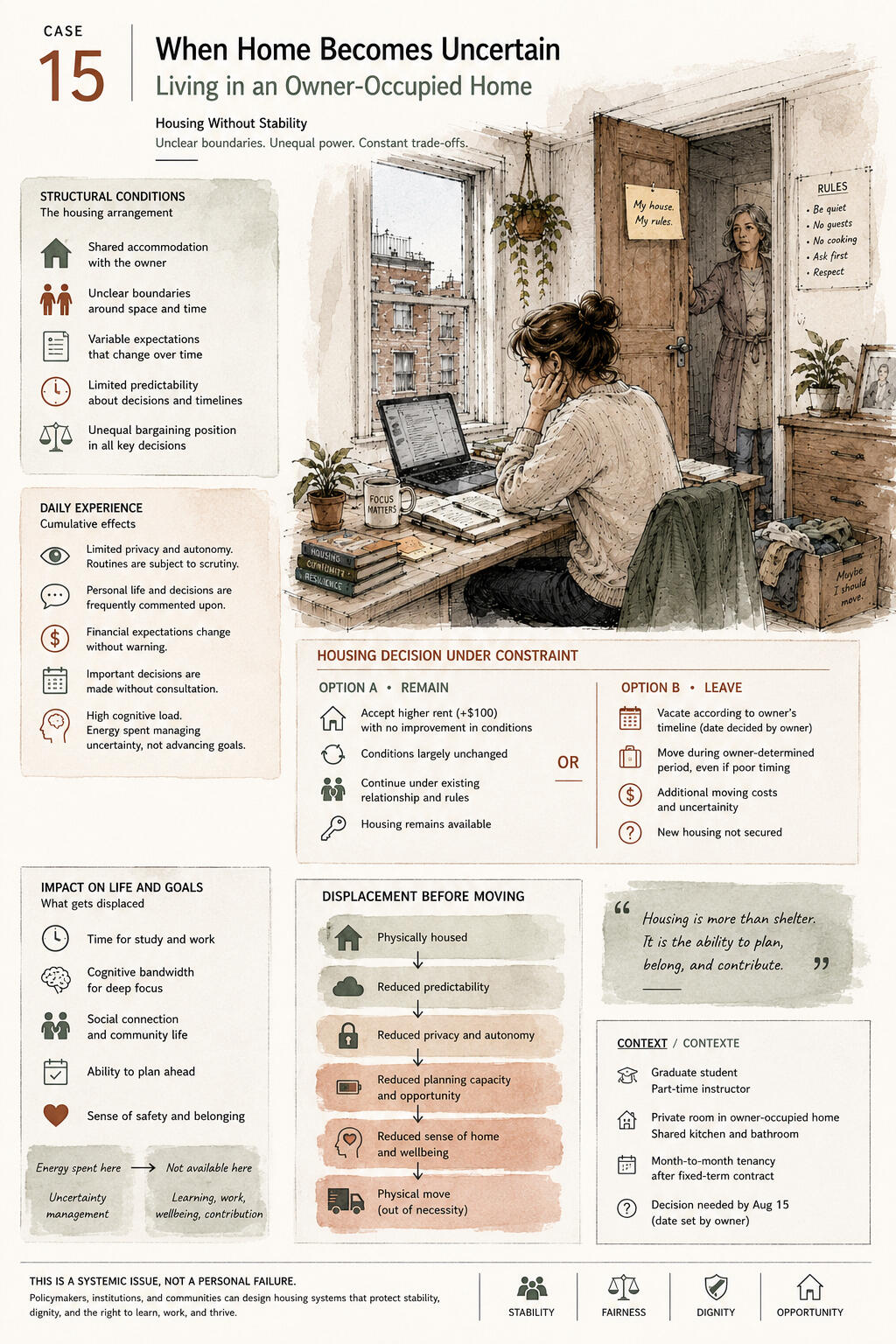
Rather than beginning with solutions, it begins with careful observation.By understanding how housing systems function in everyday life—and where they quietly succeed or struggle—we can make better decisions before challenges become crises.Perhaps the true value of housing lies not only in what it protects, but in what it makes possible.And perhaps that is the question worth carrying forward:What does this housing make possible?
Notes.Pria is an ongoing collection of field observations exploring the relationships between people, place, community, and nature. Some notes begin as simple observations. Others grow into longer essays, research, and design projects through The Shelter Projekt.
27 May 2026
Watching a Young Garden Grow
Field Notes from the Queen Elizabeth Pollinator Garden
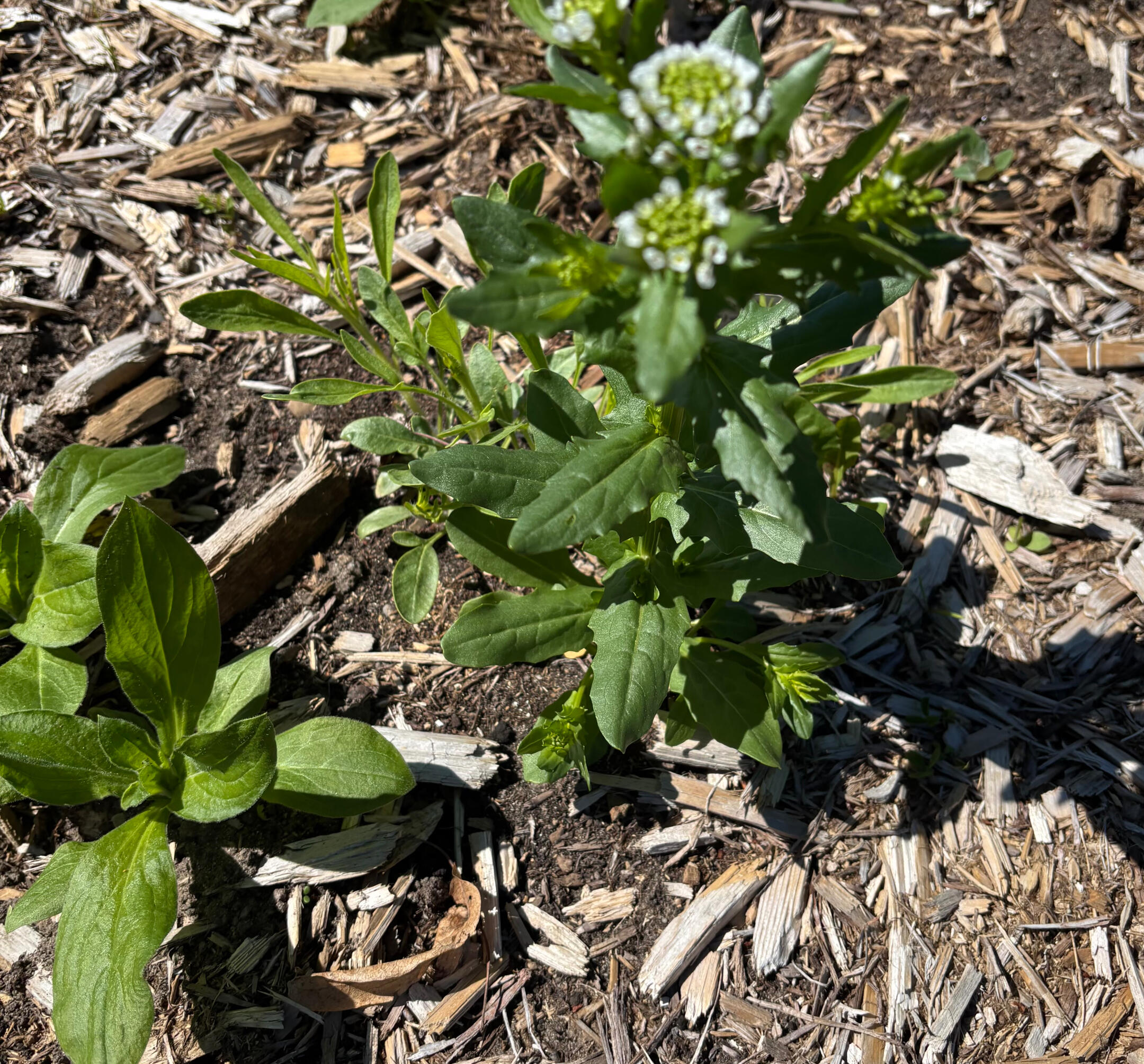
One of the first survivors waking up in the Queen Elizabeth pollinator garden. Do you know its name?
Meet the SurvivorsLast autumn, something small happened at Queen Elizabeth.Tiny young plants were tucked into the soil of a brand-new pollinator garden.Then came their first Ottawa winter.Snow.
Ice.
Wind.
Frozen ground.Long weeks underground in silence.And yet…
some survived.If you walk past quickly, you might only see a few small odd baby green plants in fresh spring soil.But what if they are not ordinary at all?Every plant has a name. A story. Its own unique personality.Some may grow tall and dramatic.Some may quietly feed bees.Some may become butterfly favourites.Some may seem unimpressive now — and surprise everyone later.But here’s the mystery:Who are they?And perhaps an even bigger question:Who will notice them?A Mission for Curious HumansThis summer, Queen Elizabeth’s newest garden needs observers.Young naturalists are especially welcome.Not expert botanists.Not scientists in lab coats.Just curious humans willing to look closely.Your mission, if you choose to accept it:Find one survivor.Learn its name.Sketch its leaves. Observe its outline.Watch what changes.Notice who visits.Return later.See what story unfolds.Because every great naturalist begins the same way:By paying attention.Your First ClueNot all heroes arrive dramatically.Some begin as tiny shoots pushing quietly through spring soil after surviving their very first winter.Can you find one?A young naturalist’s field guide may already be quietly taking shape nearby…
24 April 2026
Field Note 004 – Maple in Early Bloom
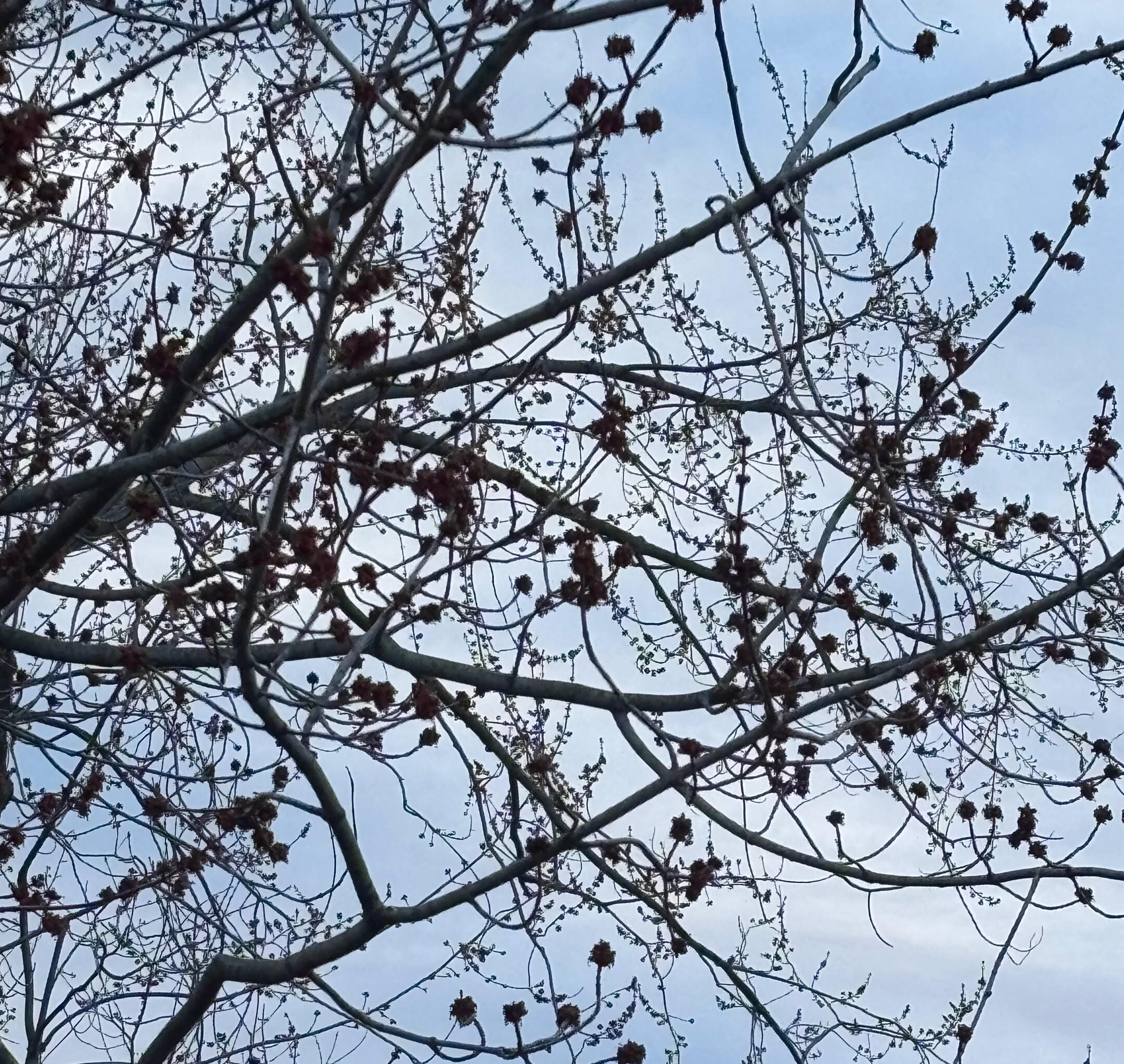
Maple (Acer sp.) — early flowering stage Walkley Road, near McCarthy, Ottawa. April 2026Small reddish clusters line the branches. The leaves have not yet emerged.This is a maple in its early flowering stage.By blooming before leaf-out, the tree keeps its flowers unobstructed—improving pollination by wind and early insects.In the coming weeks, these flowers will develop into paired seeds (samaras) that travel on the air.For now, the canopy remains open—a brief window where structure and process are visible at once.
11 April 2026
Field Note 003 - 24 Sussex: A House Left In Plain Sight
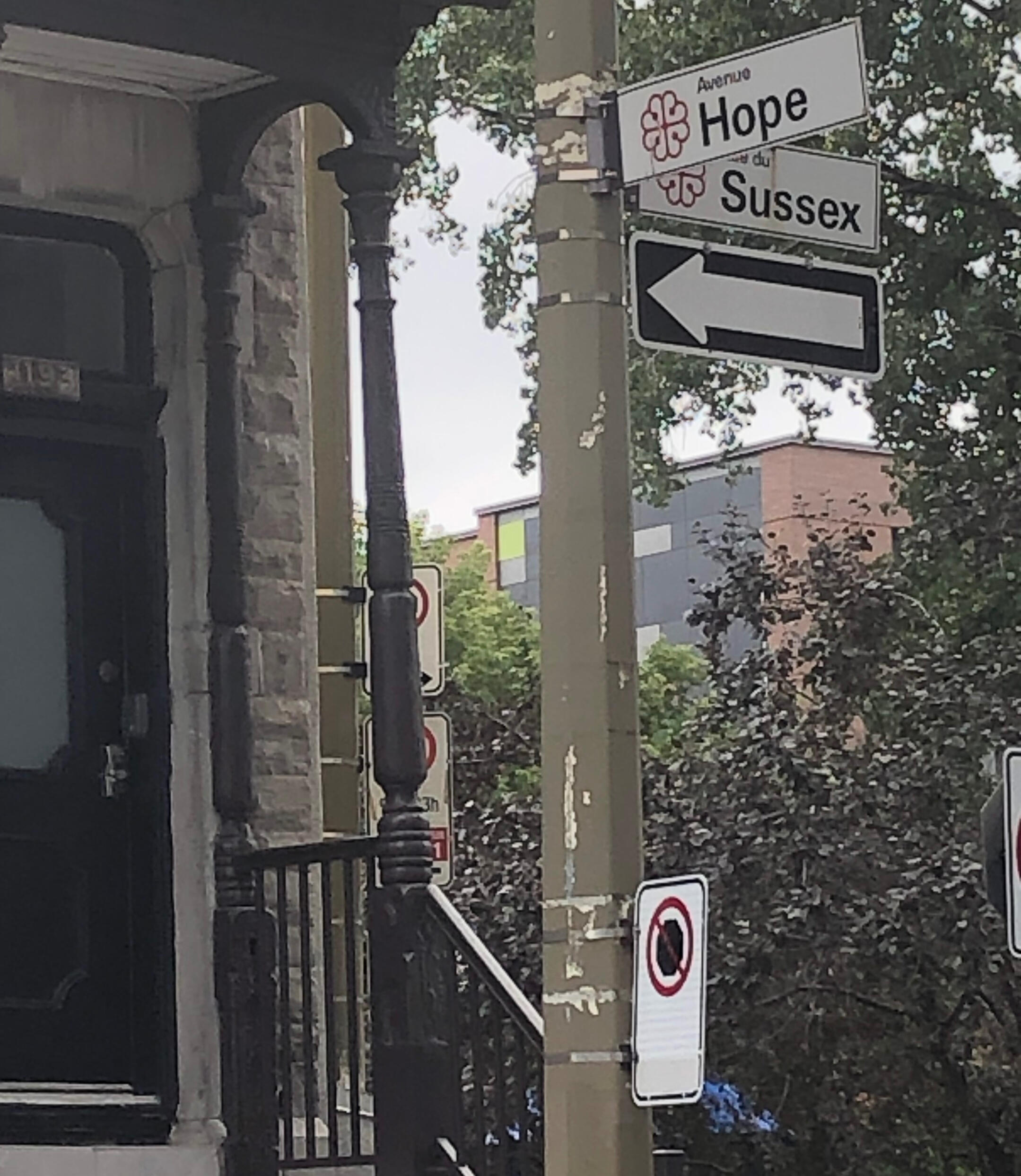
24 Sussex Drive sits overlooking the Ottawa River, empty.Not because it lacks importance, but because it has reached a point where no decision feels simple.From the outside, the signals are familiar: boarded windows, restricted access, quiet decline. The structure remains, but its role has dissolved. What appears unresolved is, in many ways, the result of a long sequence of decisions—each reasonable in the moment, but incomplete over time.What is visible: A house once occupied is now held at a distance. Security replaces stewardship. Absence replaces use. The building stands, but no longer participates in daily life. It is maintained just enough to remain, but not enough to recover.What is hidden: Behind the boarded windows, the failures are not dramatic—they are cumulative.• moisture has moved where it should not, and pests have moved in
• hazardous materials remain embedded within walls
• aging electrical systems no longer meet current safety expectations
• mechanical systems have exceeded their intended life
• the building envelope no longer protects what it was designed to holdNone of these conditions are unusual on their own. What makes them critical is their accumulation over time. This is not a story of sudden collapse. It is a pattern of temporary fixes, workarounds, and deferrals—each one understandable in isolation. Small interventions replaced deeper inquiry. Short-term decisions stood in for long-term care.The result is not simply deterioration, but drift: between responsibility and action, between occupancy and care, between public value and ongoing neglect. Buildings do not fail all at once. They fail slowly— in increments too small to act on, until they are too large to ignore.The real failure: The failure here is not technical. It is a failure of continuity—of stewardship. Over time, responsibility becomes diffuse. Decisions are shaped by timing, optics, and cost. Care becomes intermittent. Buildings, however, depend on consistency. Without it, even significant structures are reduced to a series of deferred decisions—each one extending decline, quietly.A different starting point: Before any decision—restoration, replacement, or removal—the building asks something simpler: that we look closely, without rushing to resolve.To follow what happened here—not in summary, but in sequence— to trace how small decisions, constraints, repairs, and delays accumulated over time, is where its real value now lies.Not as an example to replicate, but as a house that has, over time, become a witness— a maison devenue témoin of what happens when care is intermittent, when responsibility becomes unclear, and when action is delayed just long enough to feel reasonable.It shifts the question: not what should be done to this house, but what becomes visible when we are willing to understand how a house is allowed to fail.Across Canada, this kind of outcome is not inevitable. In cities such as Montreal, a longer tradition of maintaining older building stock has supported a different relationship to care—one where repair, adaptation, and continuity remain part of everyday practice.Organizations such as Héritage Montréal and Heritage Ottawa have, over time, helped sustain awareness, skill, and public engagement around the stewardship of built heritage. These efforts do not eliminate complexity or cost. But they demonstrate that continuity—of knowledge, of trades, and of attention—can change outcomes.A possible future: The future of 24 Sussex Drive need not return it to its former role. Its greater value may lie in remaining visible—not as a restored symbol, but as a working site of learning.A place where the realities of aging buildings are not concealed, but examined: where systems are opened, documented, observed, repaired, and understood over time.Not a museum in the conventional sense, but a living environment— supporting those who sustain the built world:• skilled trades
• building stewards
• retrofit practitioners
• students of housing, preservation, and infrastructureA place where maintenance is not invisible, but central. Where temporary fixes are studied, not repeated. Where continuity of care is practiced, not assumed.Care, in this context, is not held by a single office or mandate. It becomes more democratic, more shared. Through guided access, public-facing documentation, and hands-on learning, the building can invite a different kind of participation— not in deciding what should be done in the abstract, but in understanding what it takes to sustain a building over time.Engagement, here, shifts from opinion to awareness— and from distance to participation.In this way, the building does not simply return to use. It shifts purpose from residence, to witness, to place of ongoing attention.In Closing: when we avoid looking closely, we do not preserve value.We extend decline quietly, through decisions that make sense in the moment but accumulate without continuity.By the time action feels necessary, it also feels too late. And what remains is not just a building in question, but a record of how easily care can be deferred— until it is no longer possible to recover what was once maintained.
21 June 2026
In MemoryToday I find myself remembering two people whose lives continue to shape how I understand care, stewardship, and what we pass forward.My father taught me the value of attention, responsibility, and showing up faithfully for the work at hand.In Memory of Appa
[see: https://lvrassociates.carrd.co]We also remembering Harini, whose life reflected a different but equally important wisdom: that care begins with knowing.She approached people, plants, and places with curiosity, patience, and respect for what could be learned through observation and relationship.As I revisited earlier notes this morning, I found myself returning to a reflection written several months ago. Reading it again, it remains the closest expression of what I remember. The note is below

18 March 2026
Field Note 002 — Botanical Diagnosis (Malabar / Memory / Practice)
I remember that she did not begin with treatment. She began with knowledge.She spent time understanding—the plant, the person, the conditions. This was not just patience, but a form of attention. Her learning did not come from isolated information, but from an ancestral wisdom: of the plant, the place it grew, and the traditions that held it.What struck me, even then, was that action did not come quickly. It came after a quiet, much slowed process of knowing. And that knowing was not abstract—it was relational and experiential, built over time and carried forward through generations and practice.She did not turn this knowledge into a commodity. She passed it forward.
What she modelled was not expertise as authority, but cultural stewardship as responsibilityI am beginning to recognise this as a form of what I have now termed “diagnosis”.I also begin to see the absence of this kind of knowing in many contemporary systems of education and practice. Knowledge is often separated from the conditions that give rise to it.We maintain categories, but not relationships. We handle materials, but do not know their origins. Even in something as ordinary as the ingredients in a dish, we may recognise taste or flavour, yet remain unfamiliar with the plant itself—where it grows, what its leaves look like, how it flowers, or the conditions it requires to thrive. More importantly, we remain distant from the lived body of knowledge that has understood and long practiced how best to cultivate and use it.This disconnection not only limits knowledge, but also inspires us to shape how we respond.Diagnosis, in this tradition, is a form of relational knowing—born of time, interaction, and observation.In housing practice, this means observing lived conditions over time, identifying patterns and gaps before attempting intervention.The overlooked often carry the knowledge that allows a future to take root.

4 March 2026
Field Note 001 — Worker-Recovered Enterprises (Talk by Andrés Ruggeri)
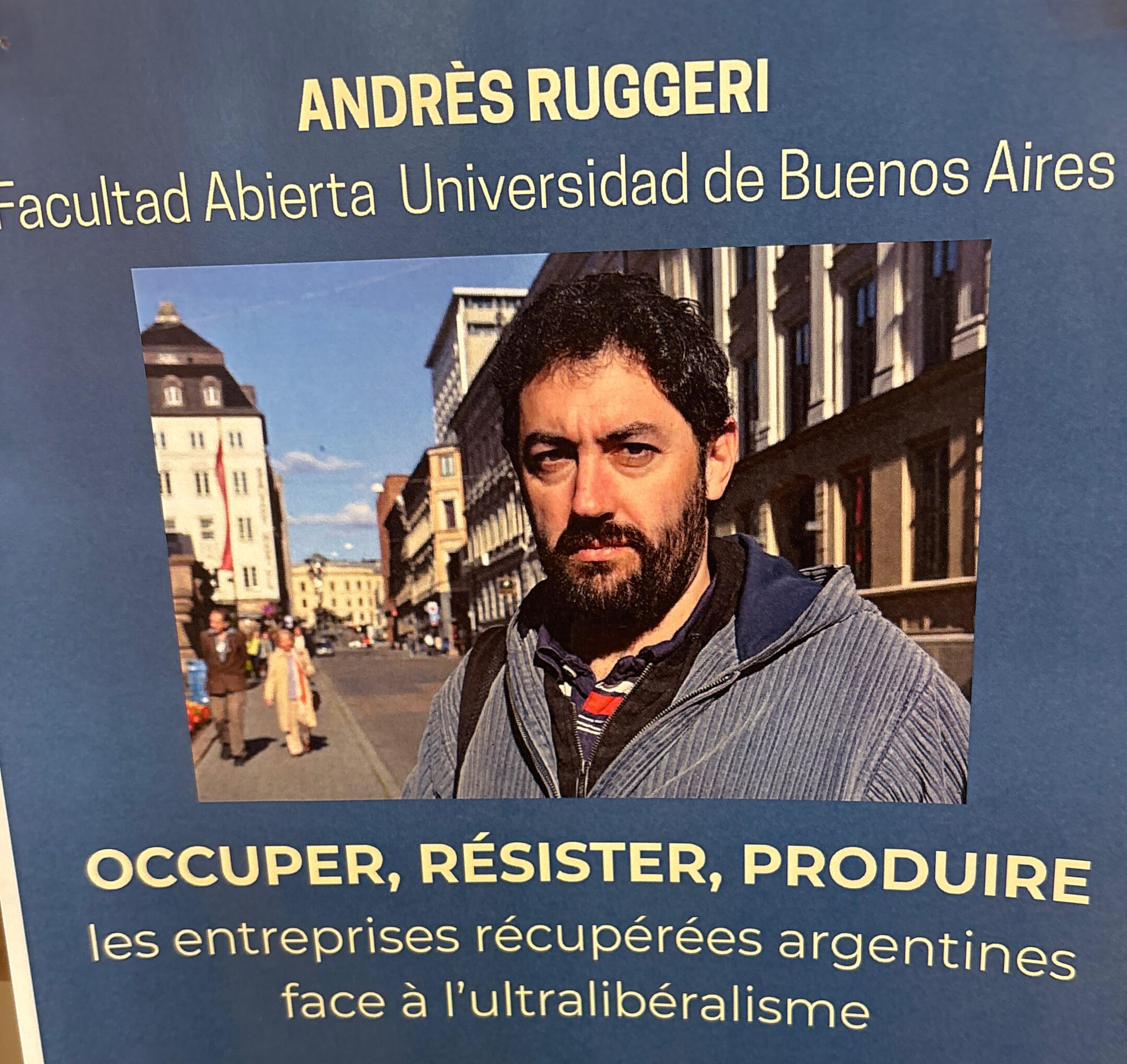
Atelier d’innovation sociale Mauril-Bélanger, Université Saint-Paul
Speaker: Andrés Ruggeri, Universidad de Buenos AiresI attended a lunchtime talk on Argentine worker-recovered enterprises, framed around the themes “Occuper, résister, produire.” Although the lecture itself was delivered primarily in Spanish and I was unable to follow all of the details without translation headphones, the dynamics of the discussion and the student questions were revealing.What stood out most was a question raised by a student about the practical functioning of such collectives and whether the narratives surrounding them risk becoming somewhat detached from the lived realities of workers. Another question touched on the issue of who is speaking for whom in discussions about worker movements, raising the possibility that academic or activist frameworks can sometimes obscure the operational and economic challenges faced by those directly involved.Even without fully understanding the lecture content, this exchange highlighted an important tension in conversations about collective enterprises: the gap between ideological narratives of resistance and the practical realities of governance, production, and long-term sustainability.For my own work around cooperative housing, land stewardship, and collective governance models, this reinforced a central question: beyond moments of resistance or crisis, what institutional and governance conditions actually allow collective enterprises to function and endure over time?This observation forms part of an ongoing exploration of cooperative governance and institutional resilience.
31 January 2026
Learning Begins With Looking
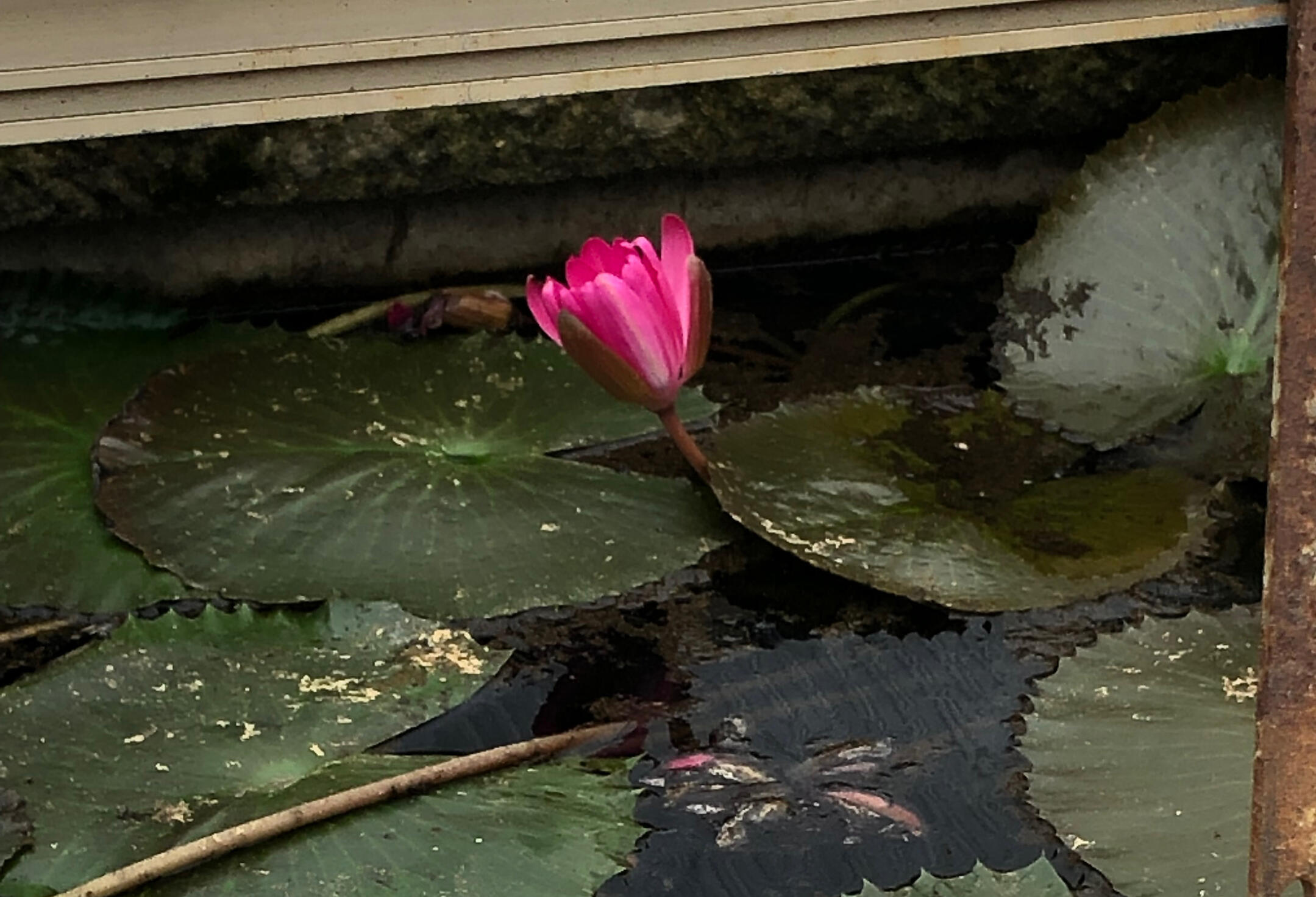
The most reliable way I’ve learned anything meaningful has not been by starting with explanation, but with observation.Before method, before theory, before reproduction, there is the quieter work of learning how to look, to really see
When I slow down long enough to notice form, context, shape, proportion, rhythm, resistance—something begins to teach me without words. Not as instruction, but as truth, and through presence.Only after that comes experience: trying, testing, failing, inferring, adjusting, evaluating where understanding does not yet live in the body. Experience humbles what observation awakens.Reproduction, or response then, is not imitation. It is offering back what has been received—changed by contact, limited by honesty, shaped by care.I want to learn in the same posture in which I teach: attentive, unfinished, receptive to correction.When learning follows this order—observation, experience, offering—it remains nourishing. It does not extract. It does not rush. It carries life forward like a seed, not a claim.What grows is not mastery, but fidelity: to what has been seen, lived, and entrusted.
28 January 2026
Does Leadership Redistribute Care — or Extract from It?
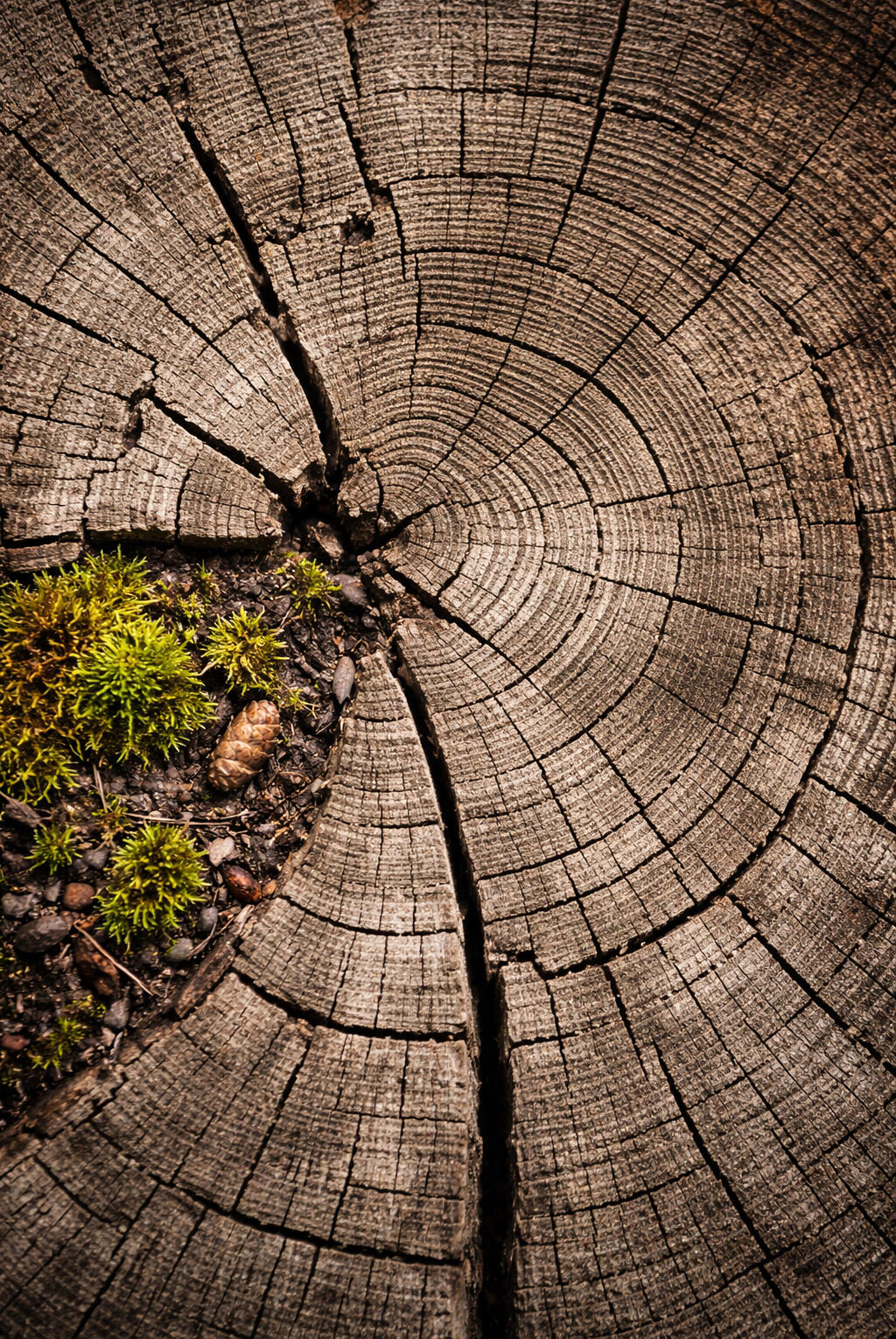
Lately, I’ve been noticing how often leadership is framed as visibility:
the right words, the right platform, the right posture in the room.Yet the most consequential decisions I’ve witnessed rarely announce themselves.They show up as follow-through, quiet support, restraint, and a willingness to carry responsibility in places that actually matter—often without fanfare, without a megaphone, and without credit.Extraction, by contrast, looks efficient. It gathers energy, labour, approval, and attention, directing them upward while calling the result “impact.” The costs of this work—often invisible—are reframed as charitable effort or voluntary contribution, even when they sustain entire systems.Redistribution looks slower.
It asks different questions first:
Who is holding the cost?
Who is absorbing the risk?
Who is quietly maintaining what others benefit from?The difference is not intention, but posture*.One takes from care to fuel authority.
The other uses authority to extend care outward. I’m learning to assess leadership not by how much it commands, but by how carefully it redistributes what it has been given. Because in the end, a platform exists for greater reach of care—not to elevate the one who occupies it.
*Notes from the Margins — observing leadership, care, and accountability as lived practice. - Espace Créatif
January 21, 2026
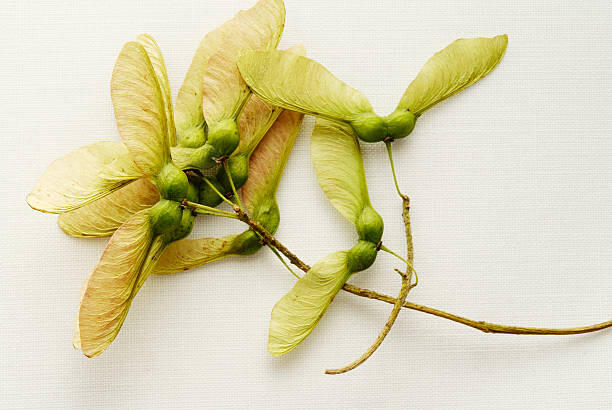
A small thing, moving quietly, shaped by air and time rather than force.